Scaling FanDuel Racing
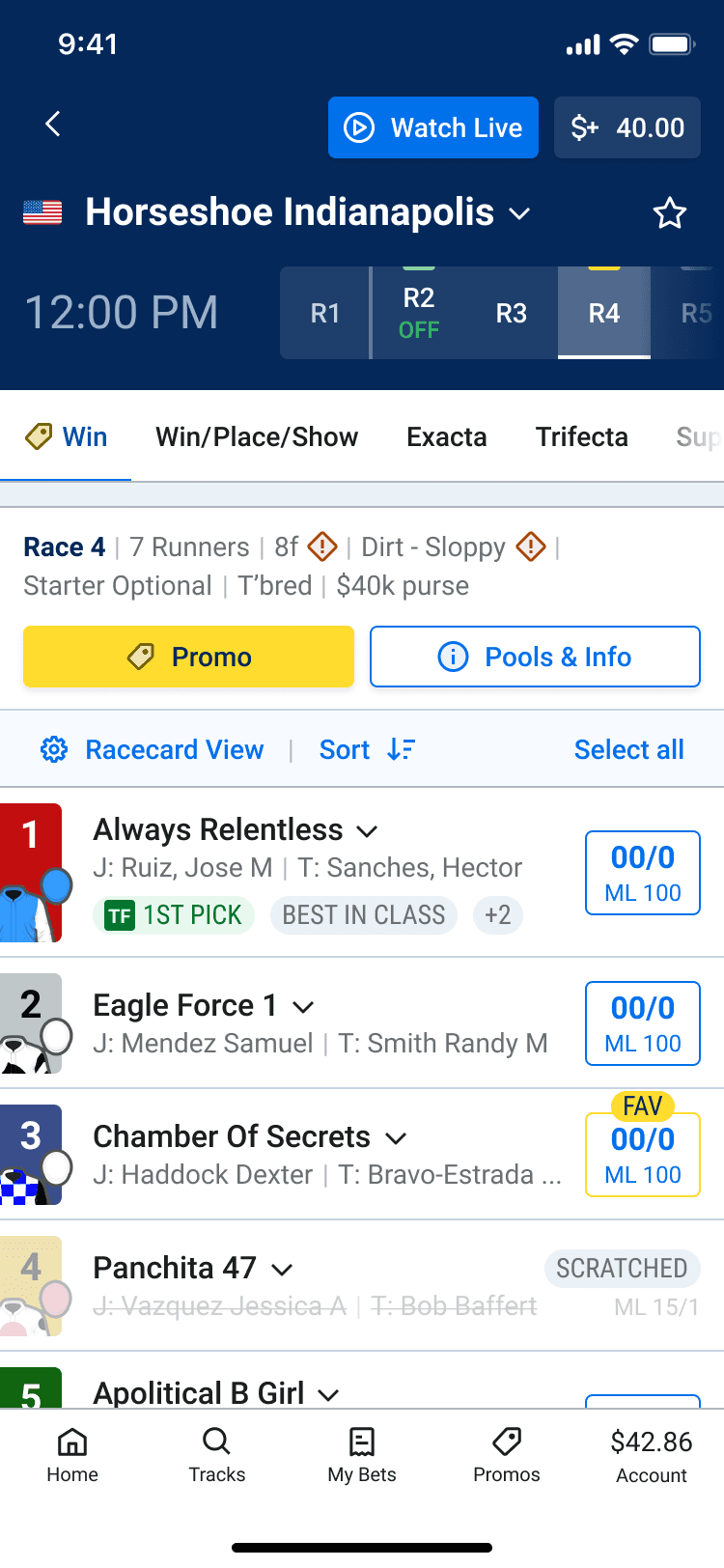
Overview
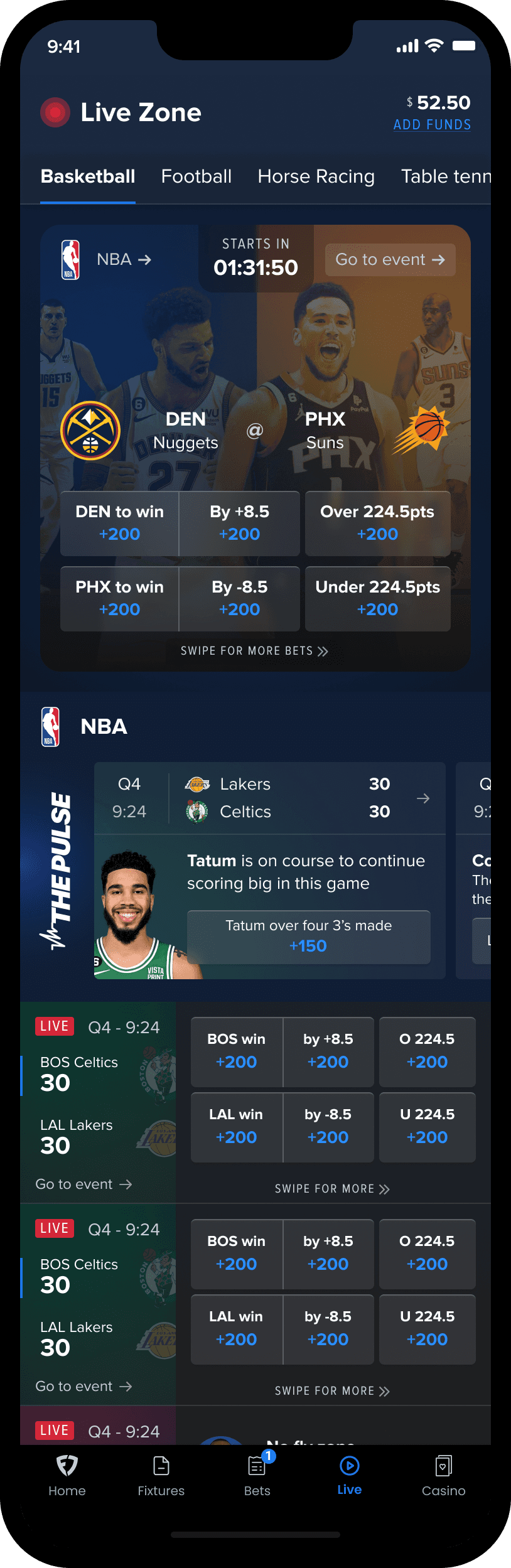
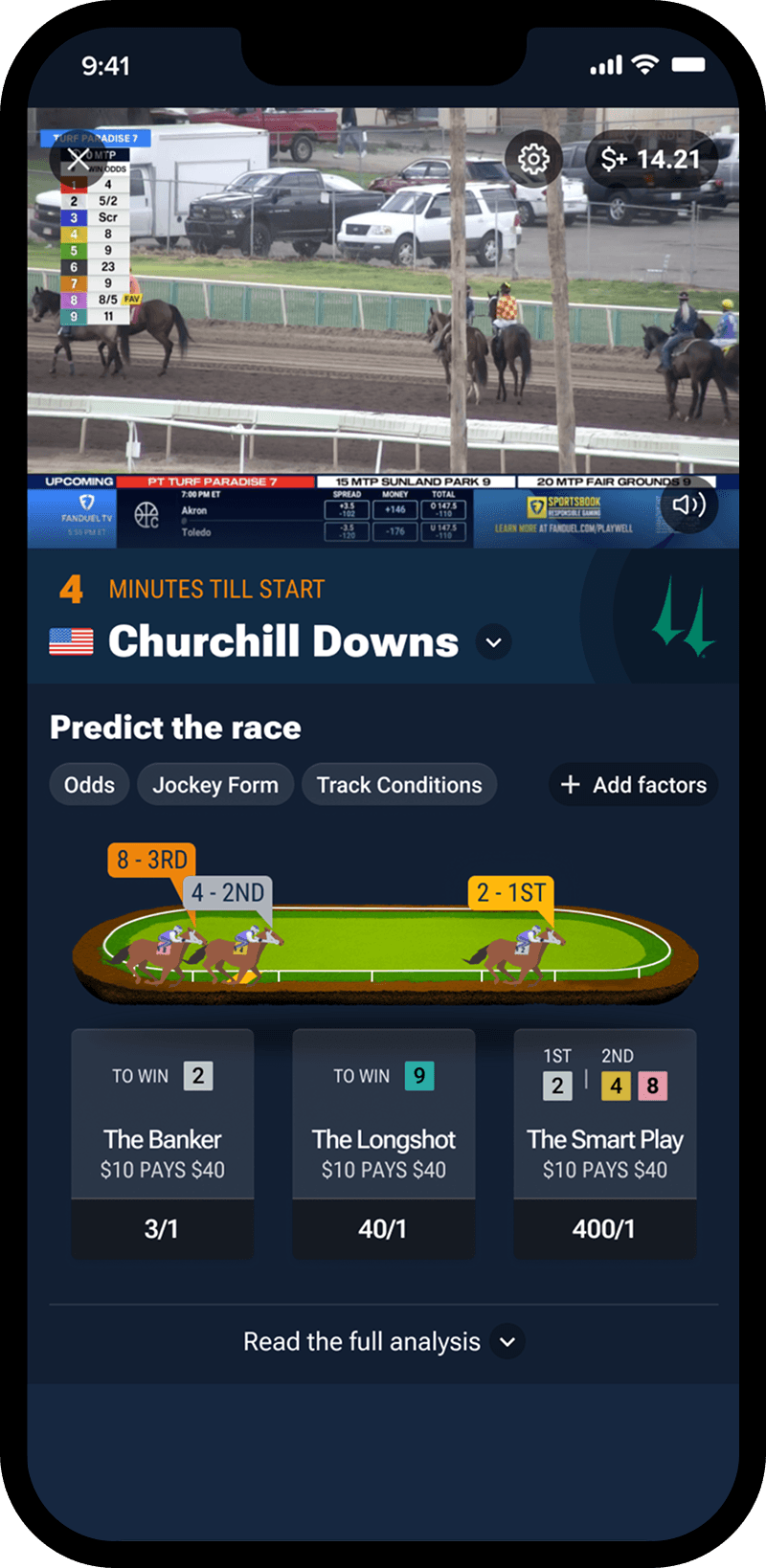
The racing platform evolved from an early digital product into a market-leading ecosystem. After the FanDuel merger, the design challenge changed: serve deeply knowledgeable racing customers while making the product more accessible to a younger, sports-first audience.
I led design through that evolution, balancing specialist depth with progressive clarity and connecting the product more closely to FanDuel's broader design system.
Outcome: Supported market leadership, maintained 80%+ ease-of-use scores across core journeys, and strengthened alignment with the wider FanDuel product ecosystem.
The problem
Horse racing is a complex product category. Customers need to understand tracks, races, horses, odds, pools, bet types, live video, results, account journeys, and promotions.
TVG's established audience valued depth, control, and familiarity. FanDuel introduced a newer sports-first audience that expected speed, simplicity, and consistency with the sportsbook experience.
The challenge was not simply to simplify racing. It was to make the product easier to enter without removing the depth experienced customers relied on.
The three decisions that shaped the work
1. Organize complexity instead of removing it
Expert customers depended on detailed information and efficient workflows. I focused the team on improving hierarchy, consistency, and access rather than stripping out functionality.
2. Use progressive clarity for different levels of expertise
Newer customers needed clearer pathways into racing, while experienced users needed fast access to advanced behaviors. We designed the experience so customers could enter at an appropriate level of detail without creating two disconnected products.
3. Align with FanDuel selectively
Consistency with the broader FanDuel ecosystem created familiarity and delivery efficiency, but racing had specialist mental models that could not be replaced wholesale. I guided where shared design-system patterns should be adopted and where racing-specific patterns remained necessary.
The trade-off
Platform consistency versus domain-specific customer expectations
Full alignment with sportsbook patterns would have simplified the system internally, but risked weakening workflows trusted by racing experts. Preserving every legacy pattern would have made the product harder for new customers to learn. The right answer was selective convergence.
What I led
- Product design direction across core wagering, account, promotion, content, and racing journeys
- Evolution from early product development into a mature, market-leading platform
- Customer segmentation across expert and novice racing audiences
- Modernization of legacy patterns without destabilizing trusted behavior
- Alignment with FanDuel product language and design-system direction
- Quality and consistency across a broad, regulated product surface
- Cross-functional decision-making across product, engineering, research, brand, compliance, and operations
Result
- Helped evolve the racing product from 0→1 into a market-leading platform
- Supported a large active customer base across TVG and FanDuel Racing
- Maintained ease-of-use scores consistently above 80% across core journeys
- Created a more coherent experience for two customer groups with very different levels of racing knowledge
- Strengthened the relationship between racing and the broader FanDuel product ecosystem
Reflection
This work demonstrates the core of my design leadership: setting direction across a complex system, balancing competing customer needs, improving delivery quality, and evolving the product without losing the trust of existing users.